Acoustic and electric guitar lessons
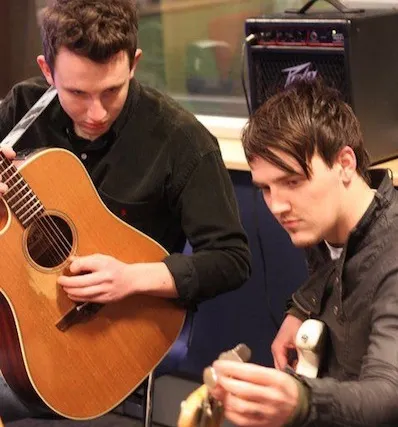
You can learn acoustic guitar or electric guitar from the beginning. There is no requirement to start on acoustic before trying electric: choose the sound and music that make you want to play guitar. If you already have your own guitar, tell me about it when you enquire.
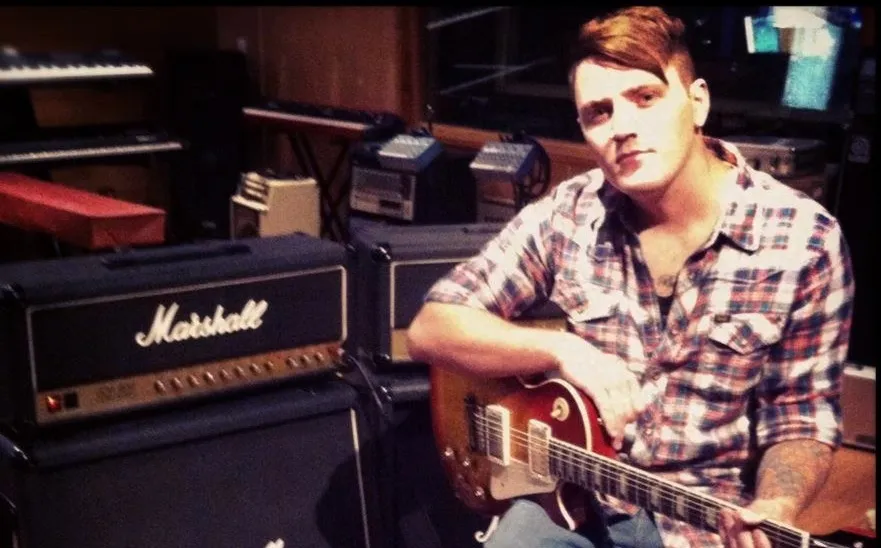
Acoustic guitar lessons can focus on chord changes, strumming and fingerpicking. Electric guitar lessons can explore riffs, lead playing, picking techniques and controlling unwanted string noise. We can also discuss amps and effects as part of your playing. Explore acoustic and electric guitar tuition.
Guitar lessons with a clear direction
Choose something you would like to improve, then give it focused attention. A difficult chord change can become two shapes practised slowly; a fast riff can become a few notes with a steady beat. I can help you hear the difference and decide what to practise next.
Music theory that connects to your playing
Music theory becomes useful when you can hear it in a song. Explore how chords fit together, how scales relate to a melody and how to count a tricky passage. We connect theory to the guitar fretboard and your listening, rather than treating it as a separate subject. Read about theory in lessons.
Developing as a guitarist
Guitar lessons are also available to intermediate and advanced players. Bring a song, solo or technique you want to improve. We can focus on phrasing, timing, tone or improvisation, with specific tasks to take away. If you want to work towards grades, discuss your instrument, level and proposed syllabus first. Explore exams or learning for enjoyment.
Make home playing manageable
Keep a short note of the tasks from your lesson. Begin slowly enough to notice what your hands are doing, repeat a small section and then return it to the song. If something remains uncomfortable or confusing, bring it back to the next lesson.
How much do guitar lessons cost?
Guitar lessons cost £17.50 for 30 minutes or £35 for an hour; the £12, 20-minute option is for primary-school children. Choose weekly lessons or fortnightly sessions subject to availability, and pay as you go. Four half-hours cost £70 and four hours cost £140, rather than a fixed monthly charge. Choose a lesson length and budget.
Music around Teesside
Explore local live music, musicians with Middlesbrough roots and recording and rehearsal spaces. Listening to other musicians can give you useful ideas to bring to your own playing.
Do I need my own guitar?
Six String Studio has instruments ready to try. Alongside guitar, I teach bass guitar, drums and ukulele. Bass guitar learning explores timing, fretting techniques, fretboard knowledge and how a bass line supports the other musicians. Ask about equipment before your visit.
Look inside the studio or explore bass guitar lessons, drums and ukulele.
From individual lessons to playing together
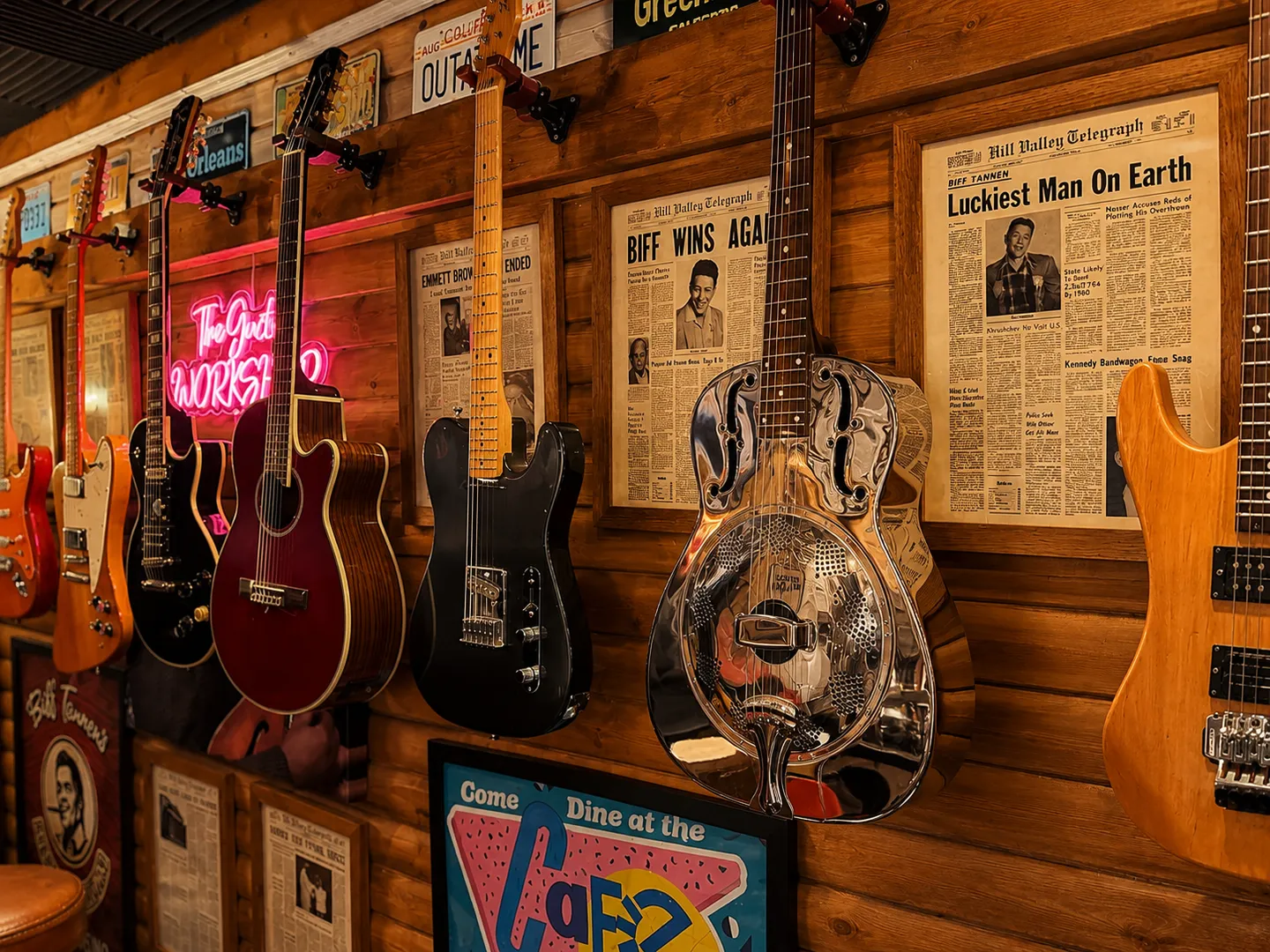
The Guitar Workshop is my adult group for existing private students. We explore playing as a band, listening and learning together. It is a chance to have fun making music with others; performing is optional.
Finding an approach that suits you
When comparing guitar teachers, think about the music you want to play and how you like to learn. Different teachers have different approaches. I tailor sessions to the student: students of different ages may need shorter tasks, while adults and teenagers can bring their own ideas. For all ages, learning should leave room for questions and enjoyment.
Tell me the styles you enjoy, whether your dream is a first complete song or a more confident performance. We can explore those styles through listening and playing songs. The importance of a clear next step is that you know what to work on between visits. Progress and enjoyment both matter; get in touch to discuss your goals.